
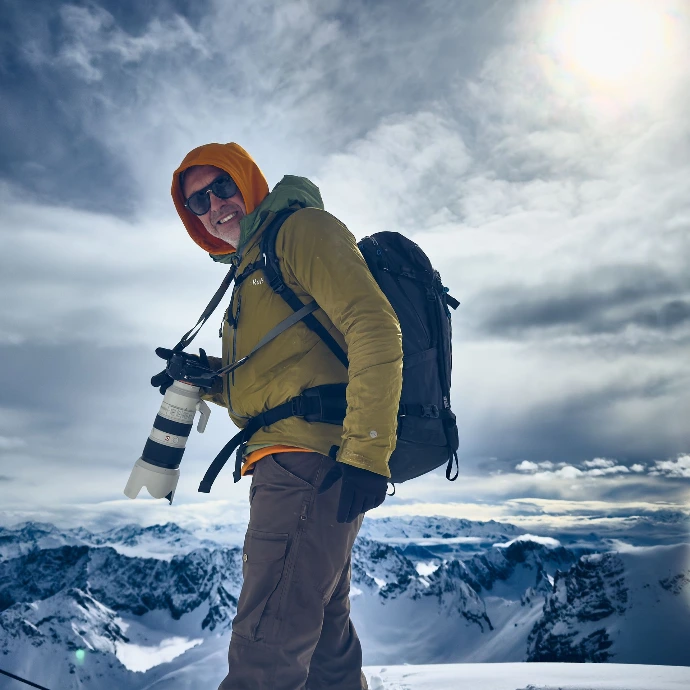
Zugspitze Bavaria
Chasing the Light: Capturing the Ethereal Transitions and Rugged Monochrome Beauty of the Zugspitze During a Volatile Alpine Winter Day.
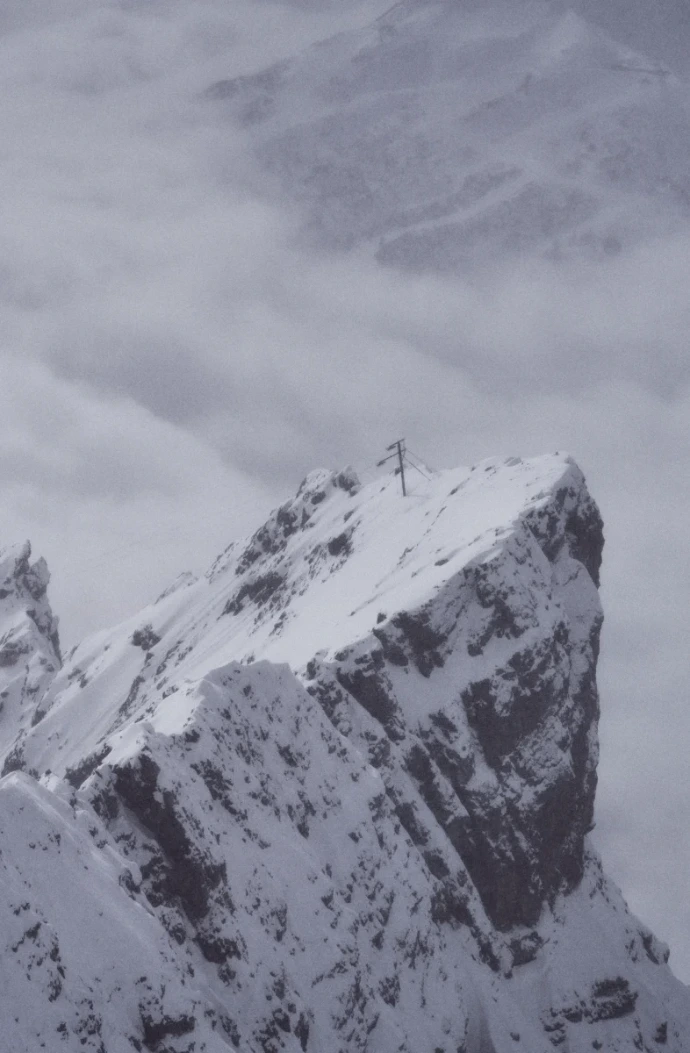
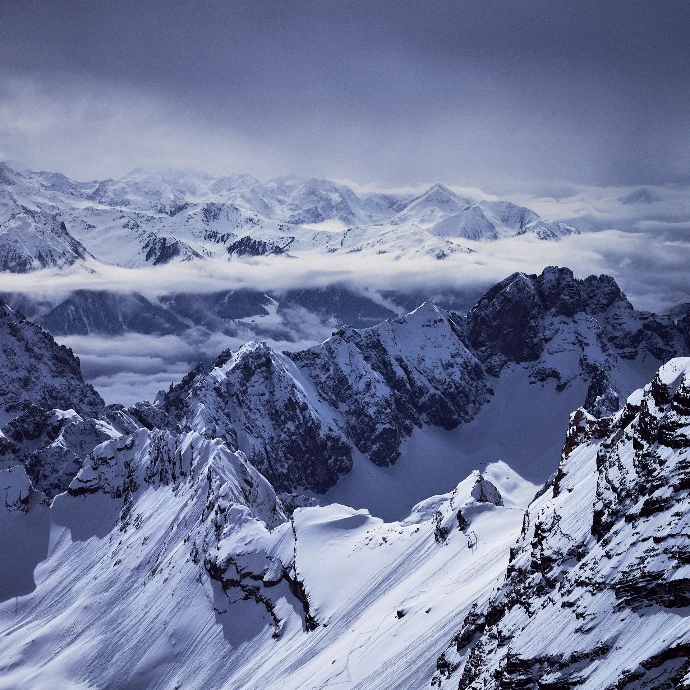
Standing atop the Zugspitze in the dead of winter is less like visiting a mountain and more like stepping into a living, breathing monochrome canvas. At 2,962 meters, Germany’s highest peak offers a panoramic theater of the Alps, but on a "changeable" day, the experience transitions from breathtaking clarity to an eerie, claustrophobic white-out in a matter of heartbeats. For a photographer, this volatility is both a logistical nightmare and a creative goldmine.
The day usually begins with a deceptive stillness. As the Eibsee-Seilbahn cable car glides upward, the turquoise waters of the lake below shrink until they are replaced by the jagged, limestone teeth of the massif. When the doors open at the summit, the air hits you like a physical weight—sharp, thin, and freezing. In the early morning, you might be treated to "the view"—a 360-degree sweep of four countries, where the peaks of the Austrian and Italian Alps pierce through a sea of clouds like islands in a frozen ocean.
But on a day of shifting weather, the light is your most fickle collaborator. One moment, the sun breaks through, casting long, blue shadows across the wind-sculpted snow drifts and making the golden "Münchner Haus" cross glow against a cobalt sky. Then, the wind shifts. You watch as a wall of grey vapor rolls in from the valley, swallowing the peaks one by one.
This "white-out" period is where the technical challenge begins. Your camera’s light meter, deceived by the overwhelming brightness of the fog and snow, will inevitably try to turn your highlights into a muddy grey; you have to ride the exposure compensation dial, pushing it +1.0 or +2.0 to keep the whites crisp. When the visibility drops to ten meters, the world loses its horizon. The landscape becomes an abstract study in texture: the frost rime on the telescope, the orange pop of a hiker’s jacket, or the skeletal lines of the cable car supports.
The true magic happens in the transitions—the "in-between" moments when the clouds tear open for just a few seconds. These fleeting windows provide a sense of scale that a clear day cannot match. A solitary mountain chough—the black, yellow-beaked crow of the high Alps—soaring through a gap in the mist creates a sense of profound isolation and resilience.
By the time the last descent approaches, your fingers are numb and your batteries are drained by the sub-zero temperatures. But as you pack your gear, you realize that the "perfect" sunny day would have been far less interesting. The Zugspitze in winter doesn't just sit still for a portrait; on a changeable day, it tells a story of power, mystery, and the relentless motion of the sky.